A Single 97m Drop
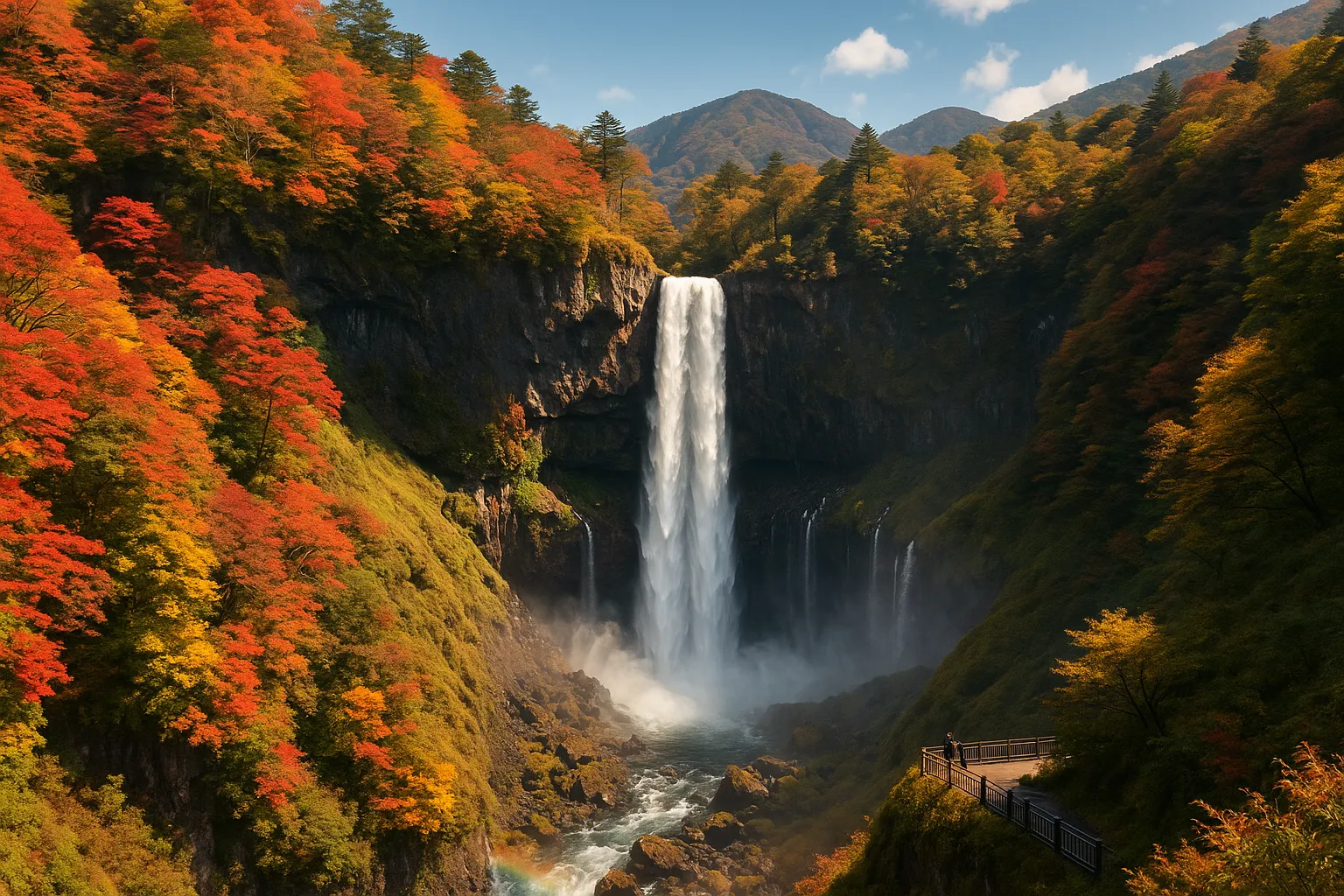
No tiers, no cascade — Lake Chuzenji’s only outlet plunges the full 97 meters at once. Free upper deck; a ¥570 elevator descends 100m through solid rock to the lower platform.
Compare Nikko’s FallsNikko National Park, Tochigi · Lake Chuzenji’s Only Outlet
The entire outflow of Lake Chuzenji goes over a volcanic cliff in one 97-meter drop — with an elevator bored through the rock in 1930 that puts you nearly level with the plunge pool.
One of Japan’s “three great waterfalls” — and the easiest of the three to reach from Tokyo.
No tiers, no cascade — Lake Chuzenji’s only outlet plunges the full 97 meters at once. Free upper deck; a ¥570 elevator descends 100m through solid rock to the lower platform.
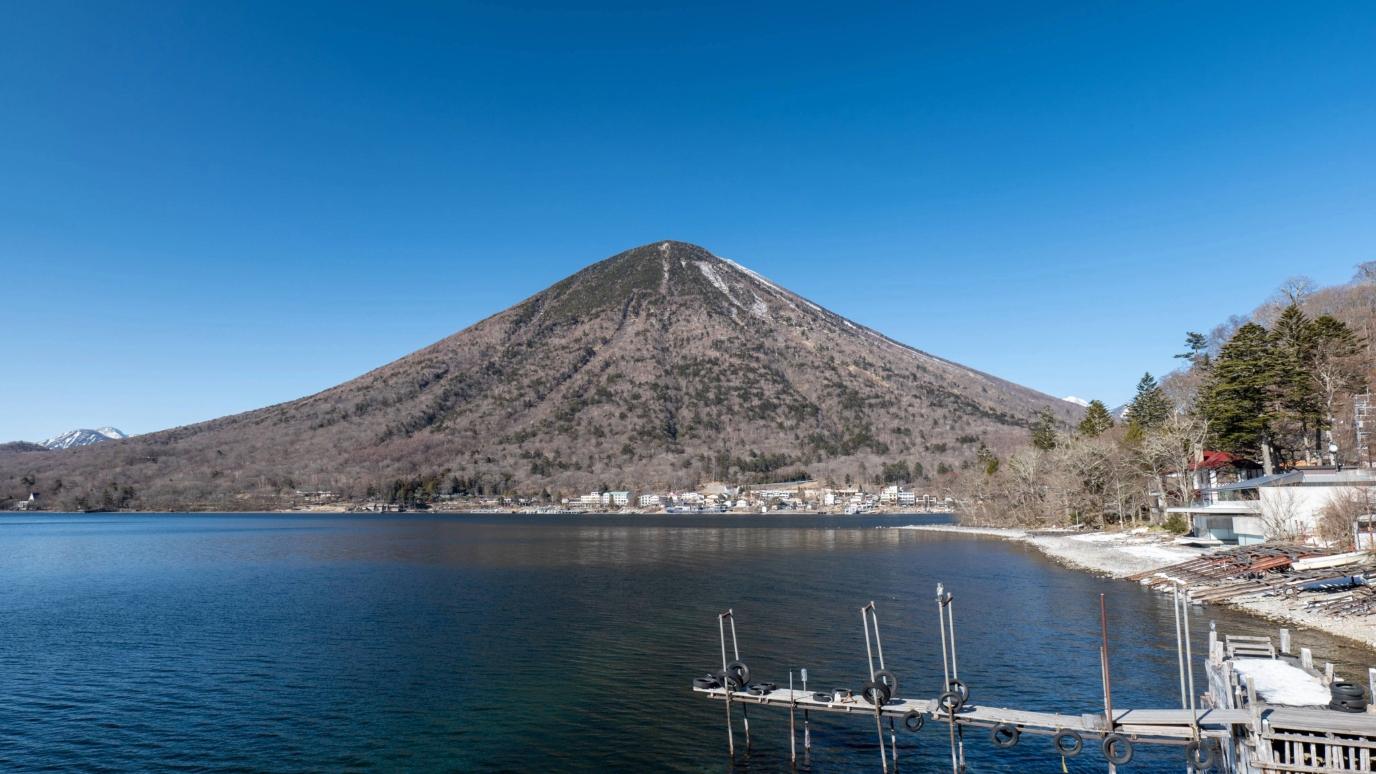
Compare Nikko’s FallsThe falls begin where Japan’s highest sizable lake ends — 1,269m up, formed by Mt. Nantai’s eruption some 20,000 years ago. Cruise boats run mid-April to November.
Lake Chuzenji GuideEvery visit rides the 48 hairpin curves of the Irohazaka winding road — a destination in itself, and Kanto’s most famous foliage drive each October.
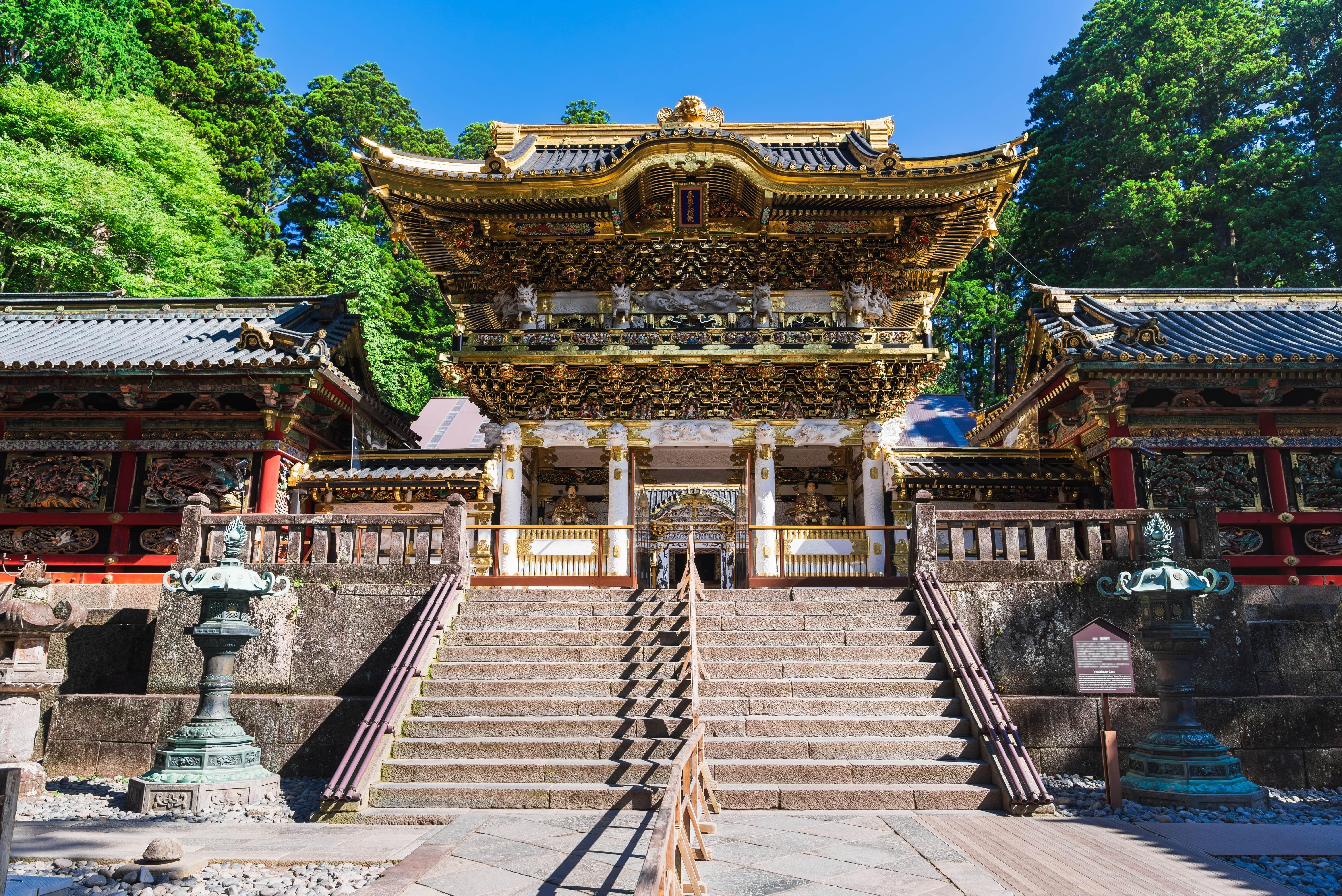
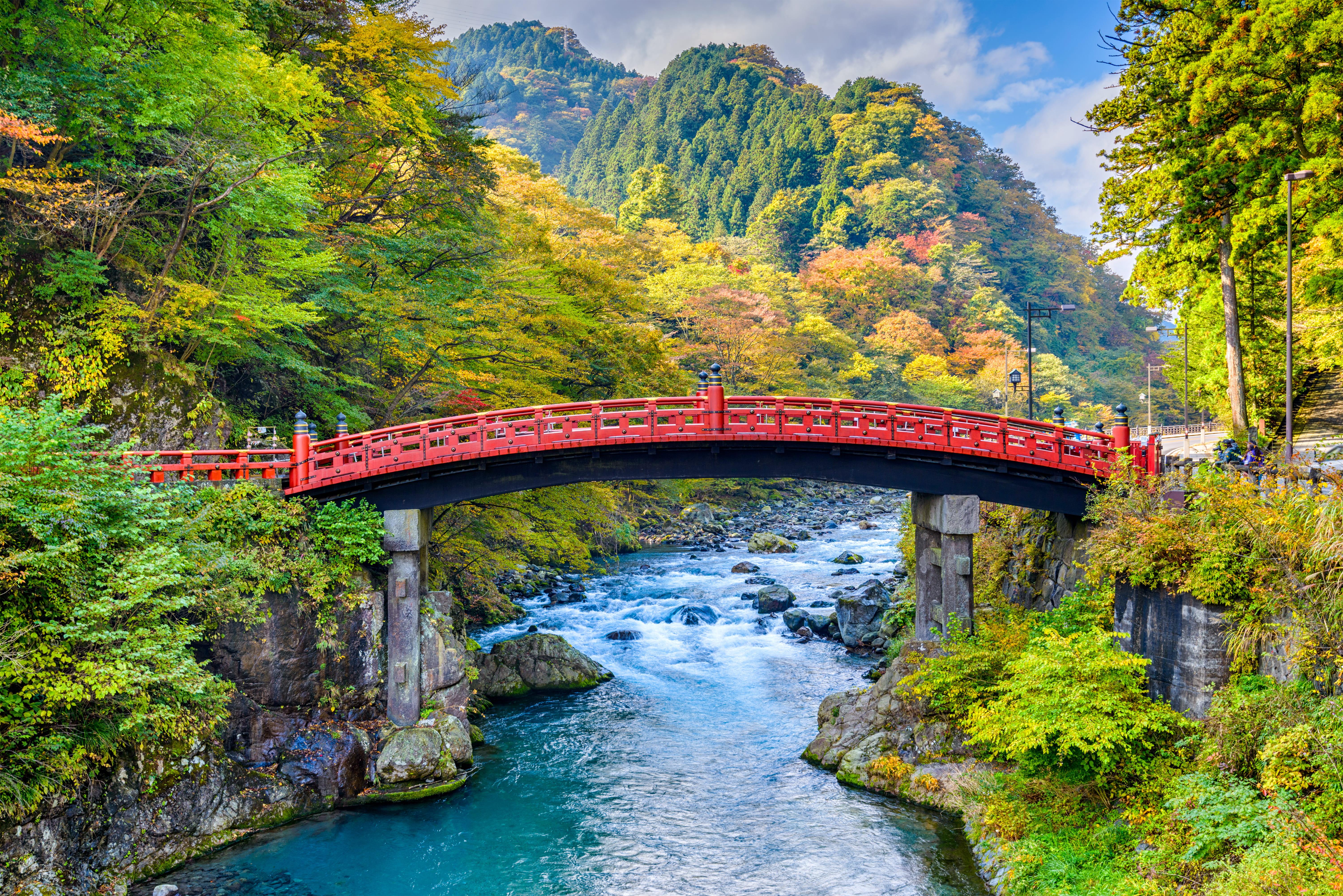
About the 48 CurvesPair the falls with Toshogu Shrine — Tokugawa Ieyasu’s mausoleum in Nikko’s UNESCO-listed shrine district — on the classic day-trip circuit from Tokyo.
Plan the Day TripThe standard route, handled door to door — and the most-reviewed Nikko day tour.
The other big group option — nearly identical route, worth comparing on your date for availability and pick-up point.
Check Availability
Customisable private day — the way to fold in Senjogahara, Ryuzu Falls, or a slower pace the bus tours can’t offer.
Check Availability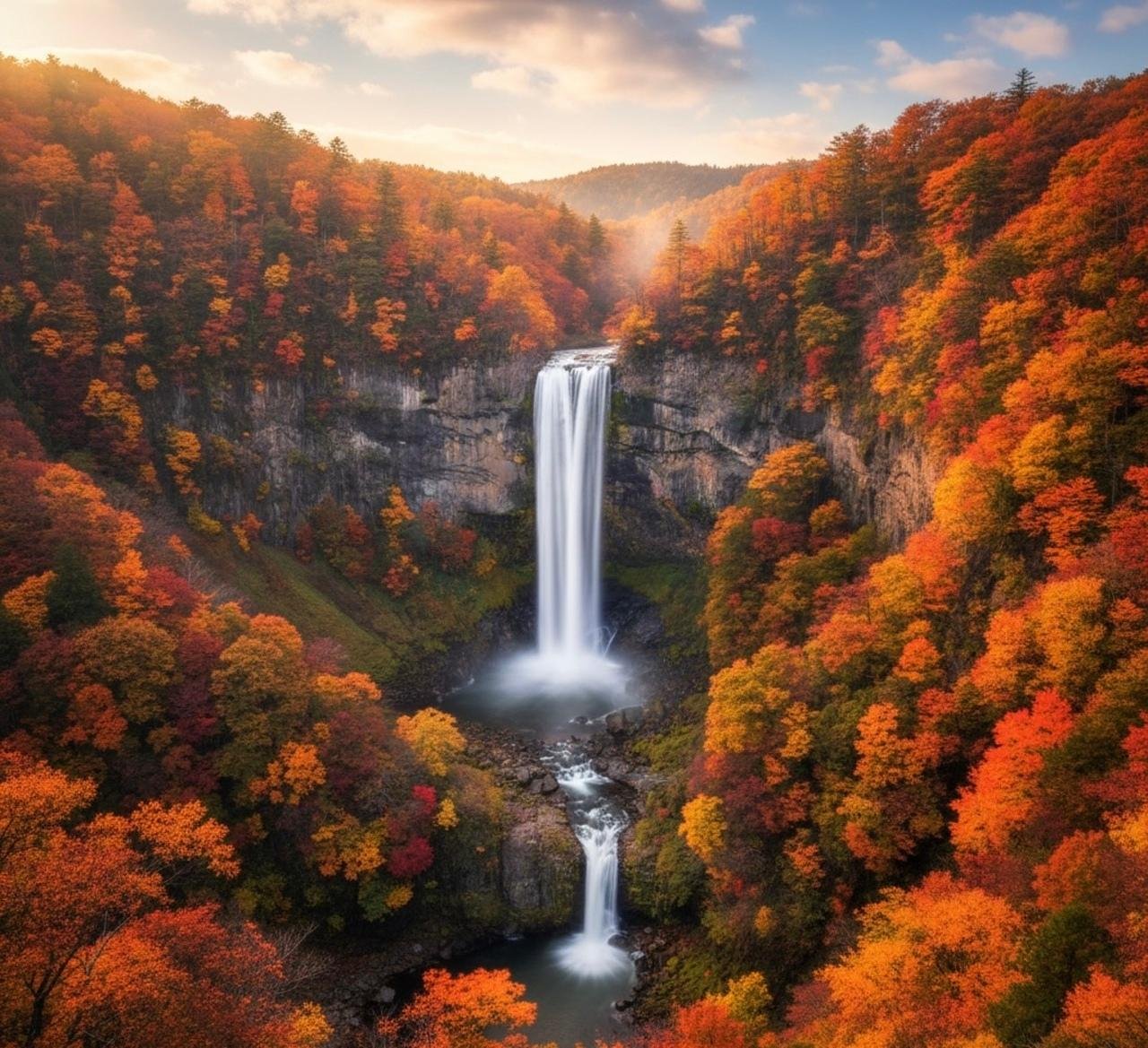
Several highly-rated operators run door-to-door private days from Tokyo — compare them side by side on the day-trip page.
Compare All OptionsStraight talk: the group tours cover Kegon Falls, Lake Chuzenji and Toshogu — but none of them walk Senjogahara or stop at Ryuzu Falls. If you want the quieter Okunikko, book a customizable private tour or go by train and bus with the getting-there guide.
Ten short guides that answer everything the tour pages don’t.
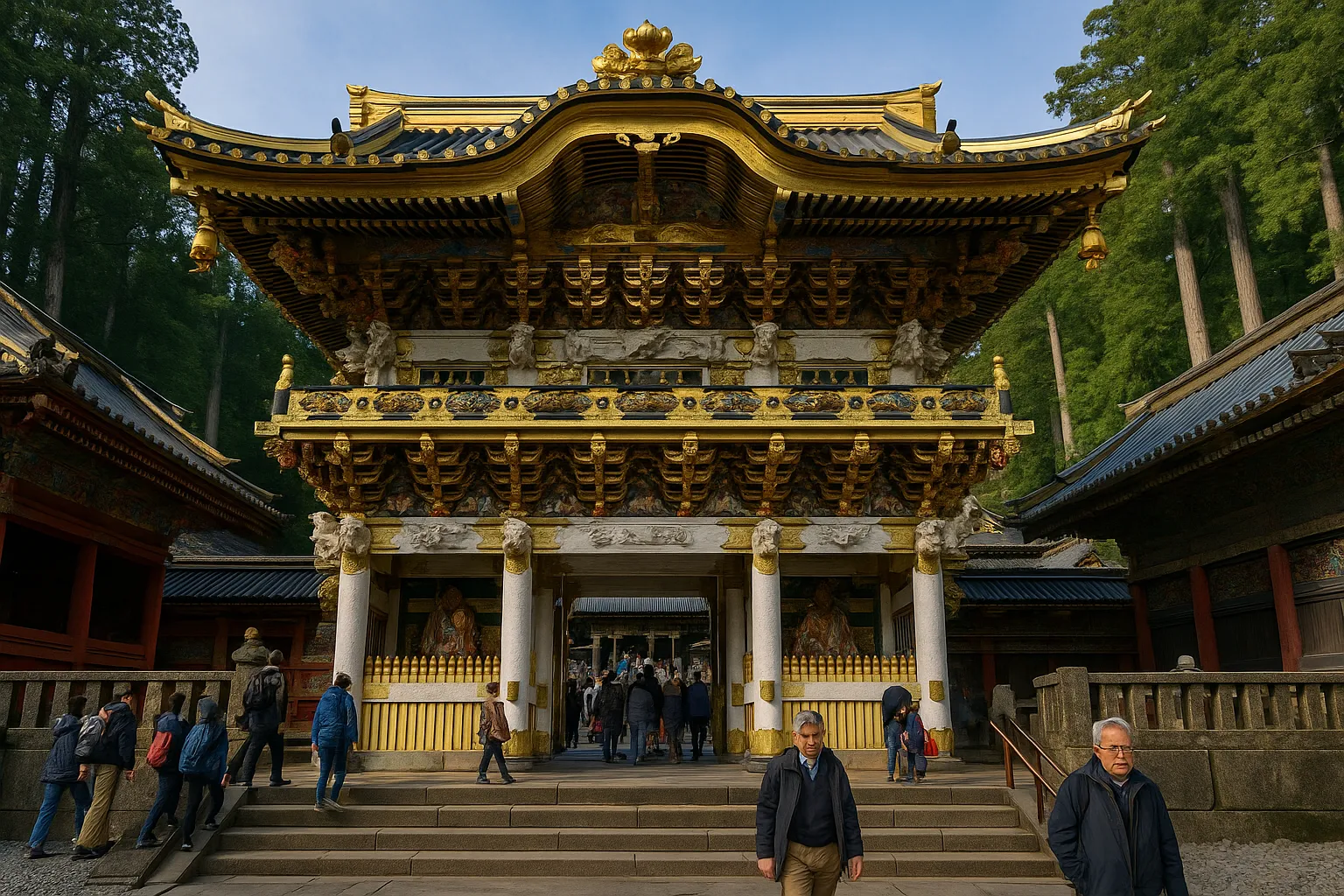
Group bus vs private vs DIY by train — prices, trade-offs, and what each option actually visits.
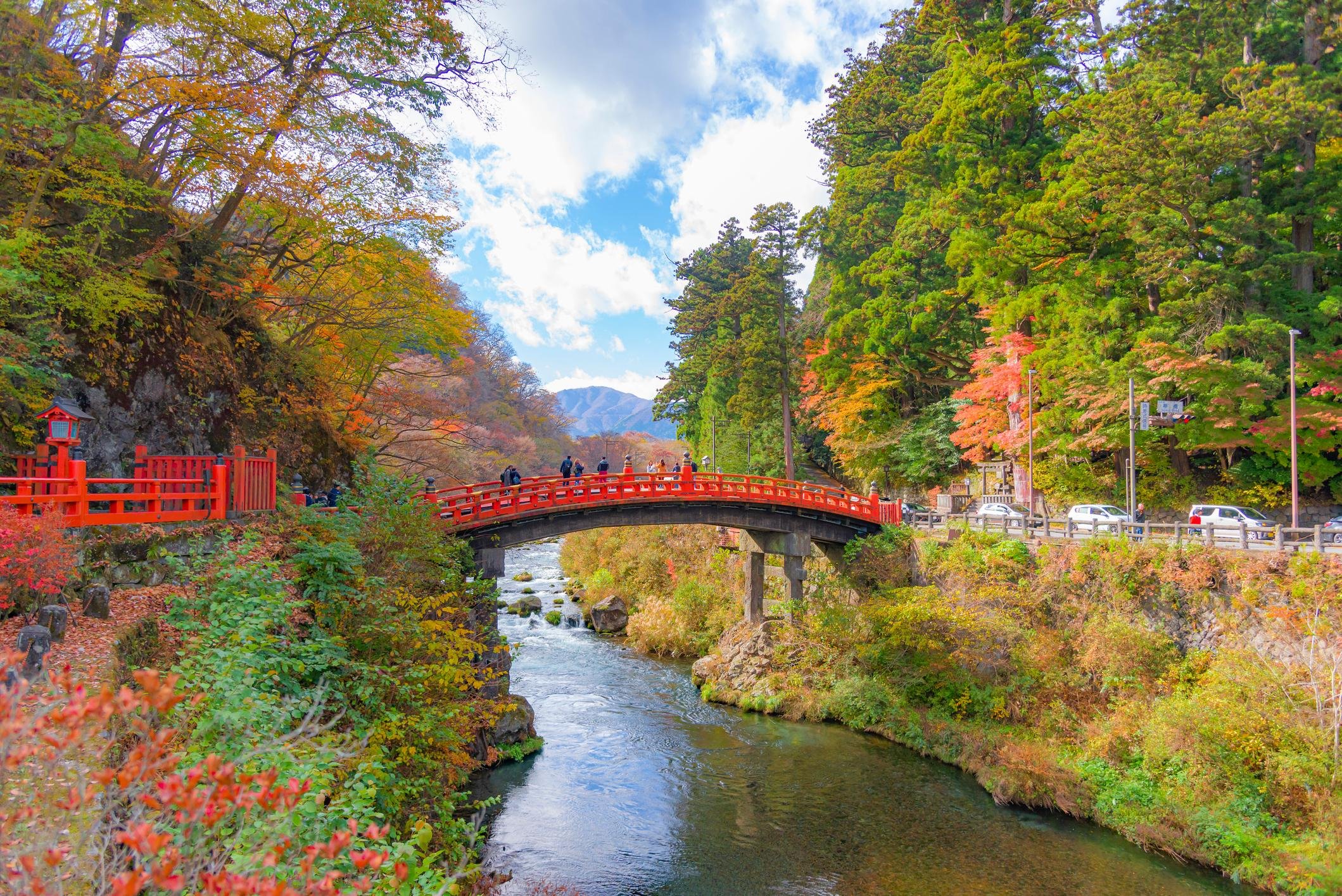
Tobu vs JR from Tokyo, the bus up Irohazaka, the pass that covers it (and the one that doesn’t).
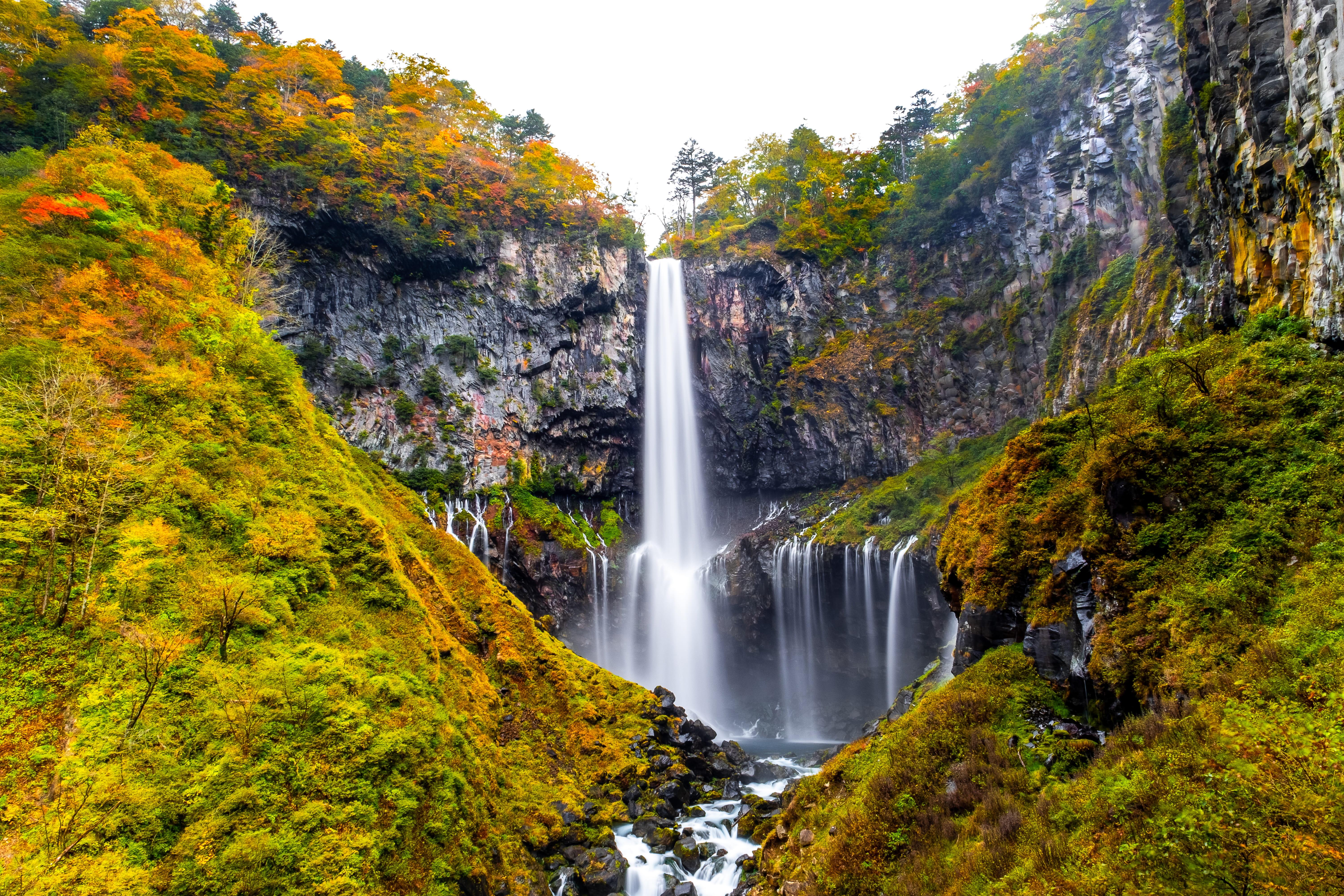
Kegon, Ryuzu, Yudaki and Kirifuri compared — heights, access, and which are worth your time.
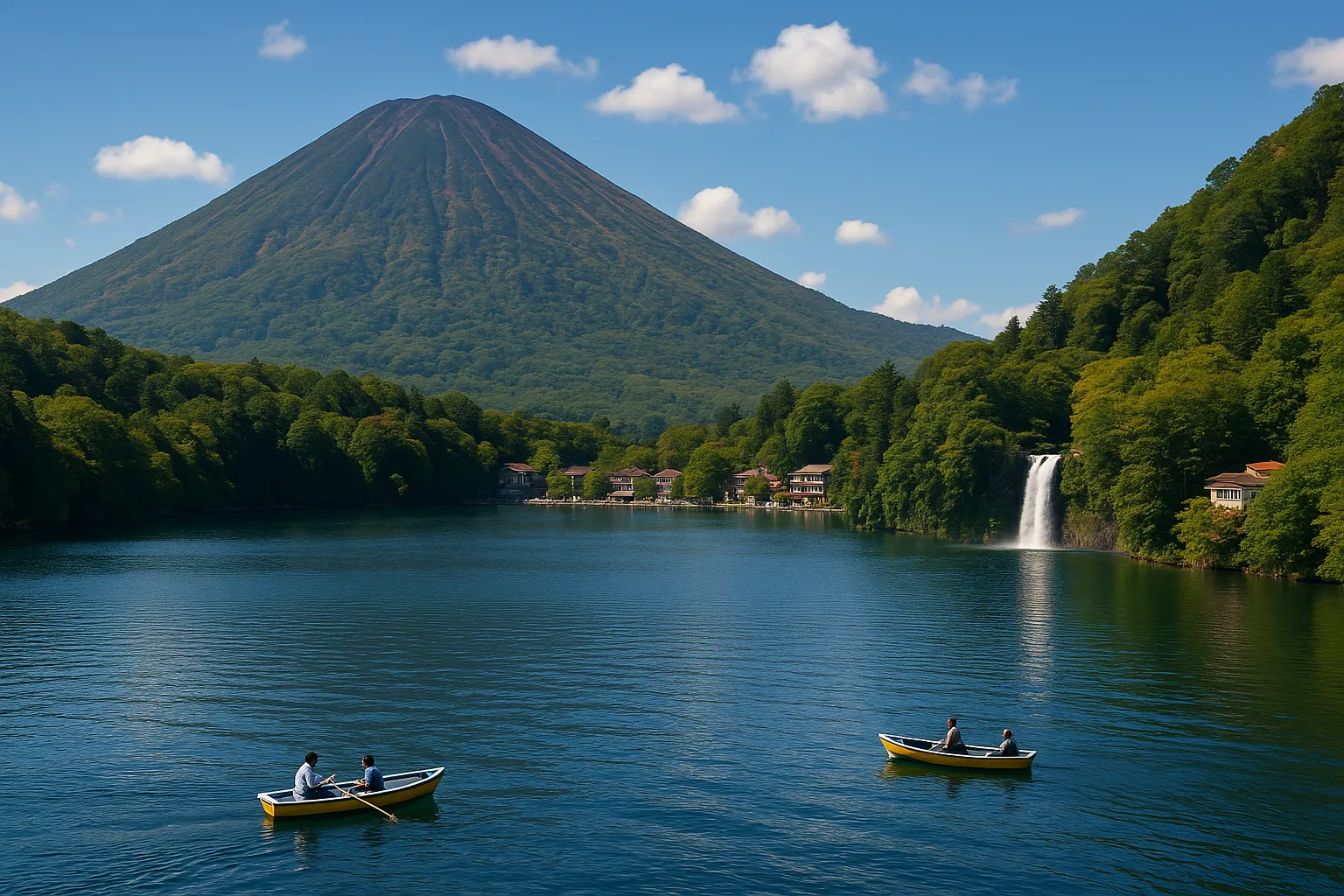
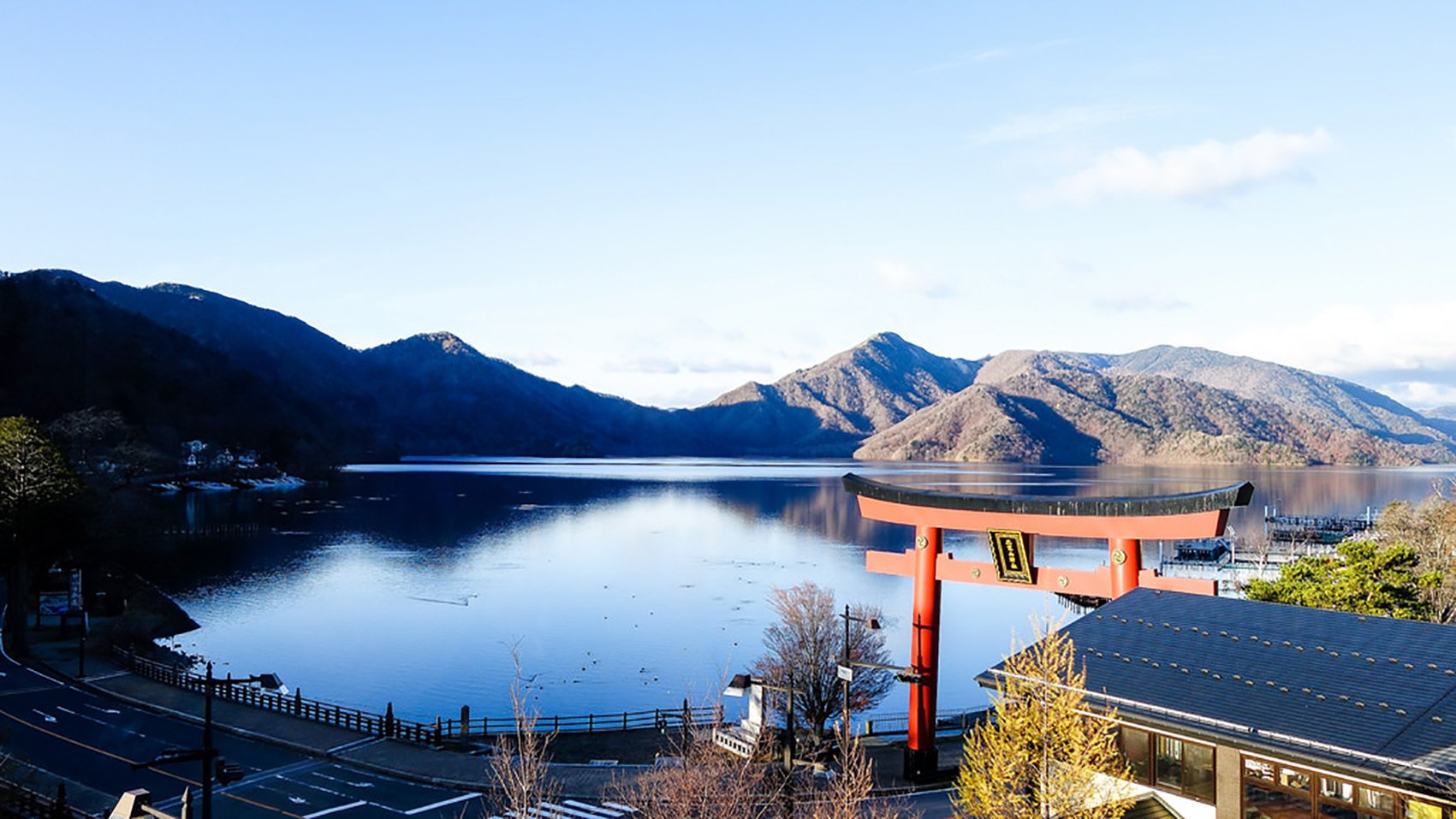
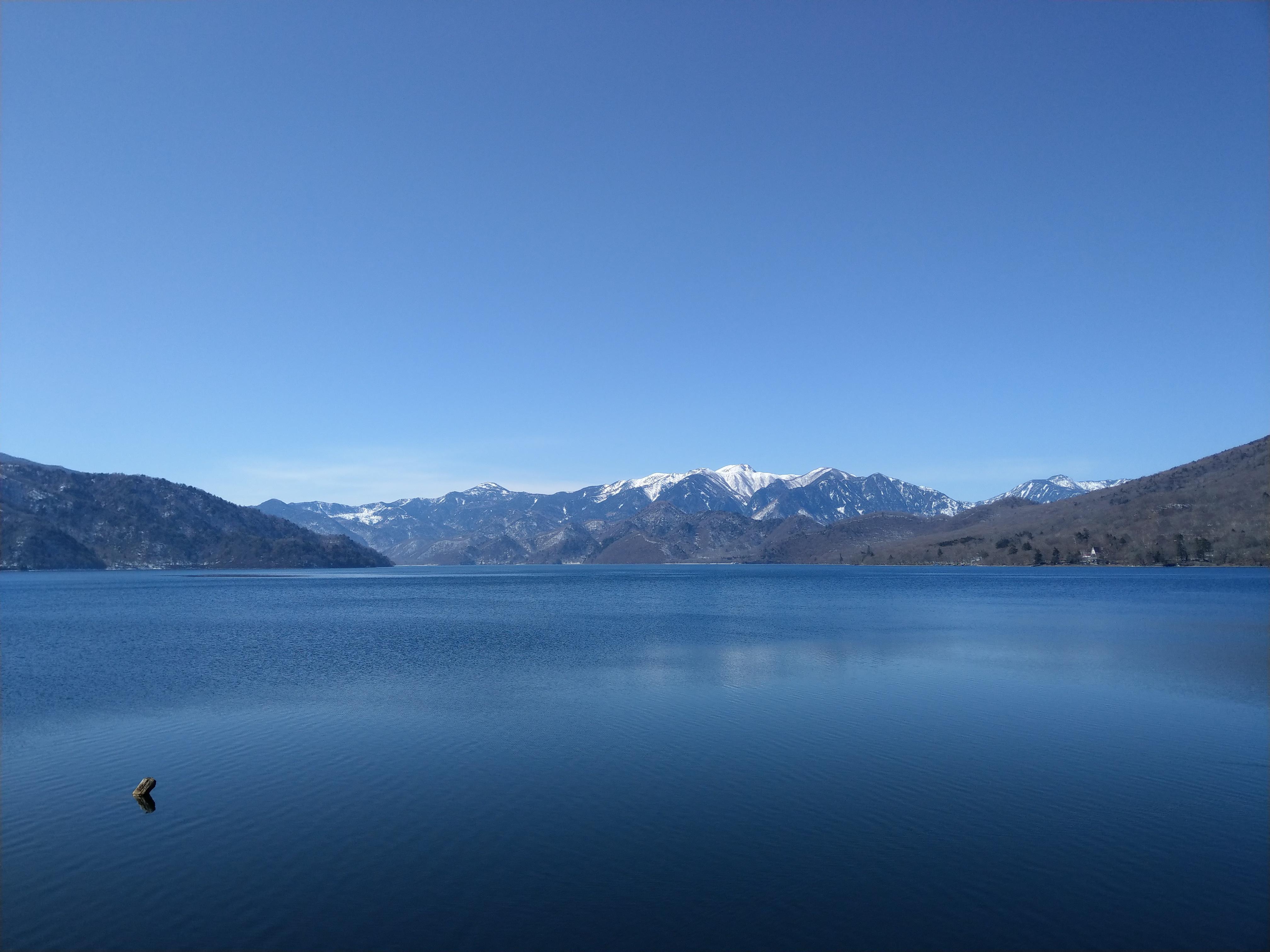
The 1,269m volcano-dammed lake behind the falls: cruise, temple, and lakeside walks.
The 48 hairpins between town and the plateau — and how to survive them in foliage season.
The 2-hour boardwalk hike between Ryuzu Falls and Yudaki, at 1,400 meters.
Closed for renewal until August 2027 — what happened and where to get the panorama instead.
How the town, the lake and the highlands fit together — and what to prioritize on 1 vs 2 days.

Autumn color timing zone by zone, winter’s frozen falls, and the quiet green months.
Every waterfall, viewpoint and station pinned on an interactive map.
Comparing waterfall trips across Japan? See our sister guides to the Kawazu Seven Waterfalls, Shiraito Falls at Mt. Fuji, and Nachi Falls — Kegon’s fellow “great waterfall.”
The short, honest answers before you plan the trip.
Kegon Falls drops 97 meters in a single fall — the entire outflow of Lake Chuzenji going over a volcanic cliff at once. It is traditionally counted among Japan’s “three great waterfalls” together with Nachi Falls (Wakayama) and Fukuroda Falls (Ibaraki). The Nikko waterfalls guide compares it with the area’s other falls.
The upper observation deck is free. The 1930s elevator that descends 100 meters through the rock to the lower platform — the view that puts you almost level with the plunge pool — costs ¥570 for adults and ¥340 for children as of mid-2026. The getting-there guide covers hours and practical details.
Take the Tobu limited express from Asakusa to Tobu-Nikko (about 1 hour 50 minutes, ¥3,050, reserved seats), then the bus up the Irohazaka winding road to Chuzenji Onsen (about 45-50 minutes). The falls are a short walk from the bus stop. The getting-there guide compares trains, passes, and driving.
Yes — with the right expectations. The falls themselves take 30-60 minutes including the elevator deck. What makes the day is the setting: Lake Chuzenji next door, the Irohazaka hairpins on the way up, and Toshogu Shrine down in town. That combination is exactly what the standard day tour from Tokyo covers.
Mid to late October, when the foliage around the falls and Lake Chuzenji peaks — with the caveat that Irohazaka traffic is at its worst then. Winter brings partially frozen “blue ice” columns in January and February with far fewer visitors. The seasons guide breaks it down month by month.
Yes — that is the classic Nikko day trip: Toshogu in town, then up Irohazaka to Kegon Falls and Lake Chuzenji. It is a full day from Tokyo but comfortably done, either by train and bus or on a guided day tour that handles all the transfers.
Kegon Falls sits at the edge of the Okunikko highlands: Lake Chuzenji is a few minutes’ walk, the Senjogahara marshland boardwalk and Ryuzu Falls are a short bus ride further, and the Akechidaira viewpoint sits on the Irohazaka road. You can fill anything from two hours to two days.
No — the Akechidaira Ropeway is closed for a full renewal from January 16, 2026 until August 31, 2027. The Akechidaira parking-area viewpoint on Irohazaka remains reachable, and the Kegon Falls elevator still gives you the close-up view. The ropeway guide covers alternatives while it is closed.
Book the day tour that covers Kegon Falls, Lake Chuzenji and Toshogu Shrine door to door from Tokyo.
Book Your Nikko Day Tour